What are the Hidden Costs of Dedicated Hosting?
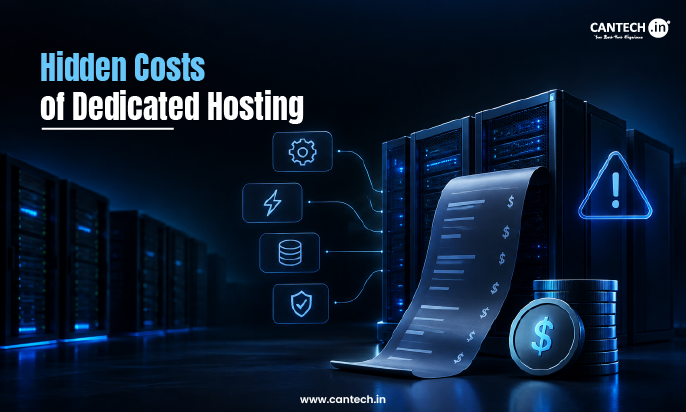
Dedicated hosting advertised prices often do not include setup fees, software licenses, backups, bandwidth overages, security measures, hardware enhancements and 24 hour support. Power and cooling can consume 30-50% of IT spending on infrastructure costs alone. These additional charges can add up to more than the base rental fee of dedicated hosting and increase cost ownership by many multiples.
Introduction
Dedicated hosting is the prime favorite among many hosting services because of its benefits, such as a physical server, no sharing with other users, enhanced performance, and others. However, despite being the most expensive option among the rest, it does have some disadvantages. Although the billing system shows one price for the dedicated hosting plan, organizations and businesses face more costs when they start using the product. This blog aims to highlight some of the hidden costs that companies using dedicated hosting services may have to keep in mind.
The Illusion of a Low Base Price
Most providers will offer a low base price, which typically includes minimal hardware, bandwidth and support, and little in the way of security and backup options. The catch? This is typically just enough to get by. For even the most stripped down virtual server to be useful in a commercial setting, organizations require additional budget for enhanced security, backups, bandwidth, support, and scalability. This can cause unexpected surprises for users when the provider’s initial quote doesn’t reflect these costs. This results in an ever-growing list of expenses that must be budgeted for to keep the server up and running the way the business needs it to be.
Where the Hidden Costs Actually Come From?
Here are some of the common hidden costs:
1. Setup and Deployment Fees
The provision of the server, the installation of the operating system, migration of data, and configuration of the network often comes with one-time charges. These tasks may also fall under server management services, depending on the provider and level of support required. In many cases, these are only disclosed at checkout, which means your “final” cost may increase substantially.
2. Software Licensing
Windows Server, control panels, database software, security suites, and monitoring tools are often billed as recurring expenses on a monthly or yearly basis, not included in the initial bill.
3. Backup and Disaster Recovery
Few entry-level dedicated plans include automated daily backups, offsite storage, snapshots, or disaster recovery options, and those that do charge exorbitant prices for them. Understanding dedicated server backup practices can help businesses choose the right backup strategy and avoid unexpected recovery costs. A company is only one hardware failure away from losing critical data with no way of restoring it.
4. Bandwidth Overage
Dedicated hosting plans are metered by bandwidth, meaning any traffic over your monthly budget will incur additional costs. This can be crippling for eCommerce, SaaS, or video-heavy websites which use large amounts of bandwidth.
5. Security and Compliance
Basic DDoS, firewall, and malware protection are rarely sufficient in today’s threat landscape. Most security-related expenses which include advanced threat detection, intrusion prevention, and compliance monitoring are often budgeted as separate line items.
6. Hardware Maintenance and Upgrades
RAM, storage, CPU upgrades, and network hardware failures are an inevitable part of owning or renting a dedicated server. Most web hosting companies charge separately for these maintenance-related expenses.
7. Power and Cooling
This often overlooked line item can consume 30-50% of a hosting company’s overhead, depending on the density of their server racks. While it’s typically hidden from end-users, it’s ultimately passed on to customers in the form of higher prices.
8. Technical Support and Management
Unmanaged hosting may look cheap on paper. But it requires technical expertise to maintain. Many companies budget line items for outsourced technical support or suffer reduced uptime and security as a result.
Closing the Gap: How to Keep Costs Under Control
- Request a detailed cost breakdown, including any additional fees for installation, licensing, support, or backup services.
- Consider managed hosting as an option, and calculate if the extra cost is justified by the value of an outage or potential security breach.
- Track bandwidth consumption to avoid unexpected overage charges.
- Set up automated backups and security patching to reduce manual administrative tasks.
- Conduct regular software audits to ensure you are not paying for unused licenses.
- Design the IT infrastructure with future growth in mind to make hardware upgrades a predictable, budget-friendly process.
Choosing a budget dedicated server with the right balance of hardware, bandwidth, security, and support can also help businesses control long-term infrastructure costs.
Dedicated Hosting vs. Cloud: Quick Comparison of Costs
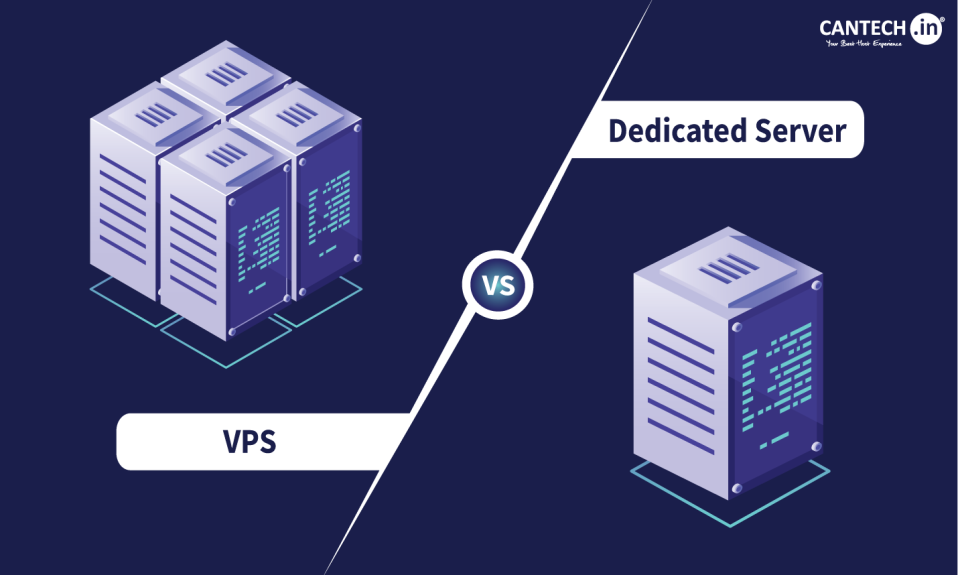
If we take into account the fact that the responsibility for the technical maintenance and development of hardware is transferred to the staff in the case of dedicated hosting, then the cost of such services may seem to be growing. However, when it comes to cloud technologies, this point is balanced by the possibility of removing the need for additional costs.
Conclusion
Dedicated hosting is a great value proposition, that is, if you’re considering a la carte expenses only. The bottom line cost of ownership comprises setup, licensing, backups, bandwidth, security, hardware lifecycle, power and cooling, and support, all of which are perfectly reasonable to factor in on a case-by-case basis, but none of which are industry-exclusive
The companies that don’t get surprised by additional charges are the ones that request a comprehensive breakdown of costs and terms from a reliable provider that offers nothing but standard rates, as opposed to a one-time billing for specialized services months or years after deployment.
Choose a Reliable Dedicated Hosting Without Hidden Costs From Cantech
Cantech Networks’ dedicated hosting solutions comes with a reputation for transparent, honest and straight-to-the-point pricing with no additional costs down the line. Its dedicated server plans include DDoS protection, carrier-neutral connectivity, redundant power supplies and 24/7 expert support by default, while automated backups and managed services options are available for clients that want to upgrade to more comprehensive solutions. What this means in practice is that clients receive exactly what they need for the price they sign up for and can budget accurately without fear of unexpected expenses.
FAQs
Is dedicated hosting not cost-effective compared to cloud hosting in the long run?
Dedicated hosting can be more expensive than cloud hosting due to the responsibilities of the user, which involve server maintenance, security, and management.
Are backups typically included in a dedicated hosting plan or is that an add-on?
The backup and disaster recovery are usually not included in the dedicated web hosting plan; instead, they are considered an add-on.
Why do I keep getting billed extra for bandwidth with a dedicated server?
The extra bandwidth charges most likely occurred because the hosting plan the user chose was limited in terms of bandwidth. Once the allocated amount was reached, the user would have to pay additionally to access more bandwidth.