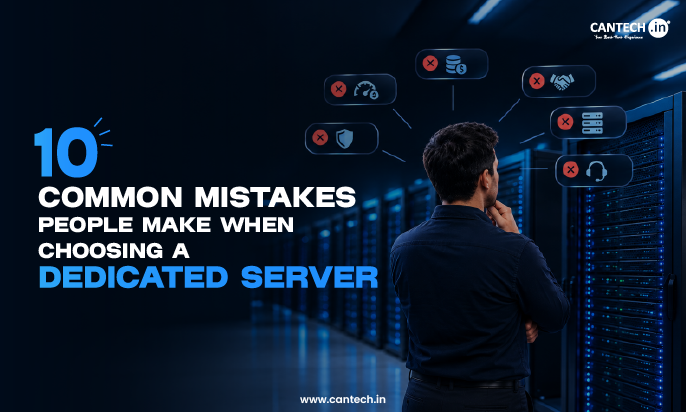
What are the Common Mistakes When Choosing a Dedicated Server?
Common mistakes include choosing the cheapest option instead of appropriate specifications, relying on specifications rather than performance, neglecting the data center’s location, not considering security measures, assuming that backups are included, ignoring bandwidth limitations, selecting inadequate support, and failing to consider future expansion.
Introduction
A dedicated server provides you with a complete machine that works exclusively for you and offers much more flexibility than shared hosting. However, the responsibility for choosing the right plan and avoiding expensive mistakes lies solely on you.
In this blog, we will discuss ten common mistakes that beginners and experienced users could make when selecting a reliable and cost-effective server.
Mistakes to avoid when choosing a dedicated server
Here are some mistakes to avoid when choosing a dedicated server:
1. Looking For Low Price and Low Quality Options
While the lowest price may seem the best option, it usually does not reflect the quality. Servers with a low cost per month usually have weaker hardware: old CPUs, rotating disks instead of PCIe NVMe M.2, and less RAM, which can significantly slow down the system.
Instead of comparing the first price, take a closer look at the specs, guaranteed traffic, and the reputation of the company. Learning how to choose a budget dedicated server can help you balance cost with the performance and resources your workload requires.
2. Ignoring Real Performance
The guaranteed characteristics are essential, but they are not the only metric that deserves your attention. Even hardware specs and traffic can be misleading if the contract does not clarify the incoming and outgoing traffic. To find out the quality of a dedicated server, it is a good idea to study independent reviews about the target company.
When choosing a server, do not forget about the peculiarities of the current infrastructure in the selected D/C, the presence of additional tools, and the possibility of creating a backup.
3. Underestimation of Future Requirements
Sometimes companies overlook future needs when choosing a server. However, one should build on today’s traffic and the number of registered users when selecting a server with sufficient performance. Do not forget that the system requirements for applications and games grow every year: in a few years, a droplet with weak specifications will not be able to cope with the increased load.
To avoid the need to upgrade the server in a few months, it is necessary to calculate the forecasted growth of traffic and choose the hardware accordingly.
4. Inattention to the Server Location
The principle of proximity should also be considered when selecting a server. Thus, a large base of users from a particular region will experience lower latency if the server is located in the same data center. On the other hand, long-distance data transmission causes significant delays, which can reach several seconds.
Therefore, it is critical to select the most appropriate data center location to reduce ping and ensure stable server performance.
5. Failing to Clarify the Managed/Unmanaged Status
There are two types of dedicated servers: managed and unmanaged. The former implies around-the-clock support of system administrators, while the latter is the full-scale responsibility of the client for the server’s maintenance and security. Many clients try to save every penny and opt for an unmanaged server without realizing all the risks. Server management services can help businesses handle ongoing server administration, monitoring, security, and maintenance.
Thus, choosing an unmanaged server and lacking the skills of system administration, the new owner runs the risk of considerable downtime due to the inability to analyze and solve the problem. Therefore, it is essential to understand the details of the selected package and carefully weigh the risks.
6. Underestimating the Importance of Security
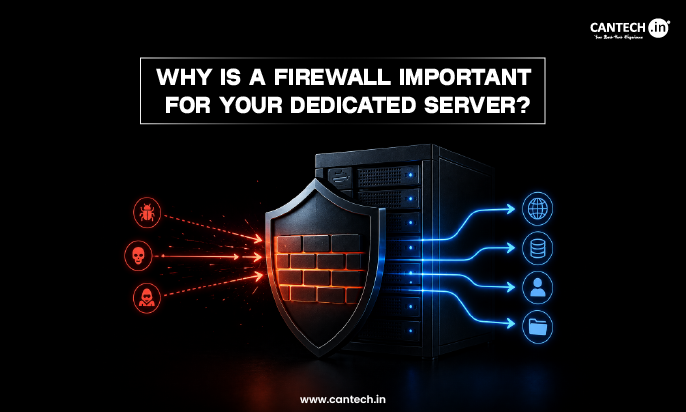
One of the critical aspects of a dedicated server is protection. Usually, novice administrators, who are not familiar with the intricacies of sysadmin duties, tend to save money on an unmanaged server and neglect essential security measures. In addition, many clients ignore the protection guarantees provided by the hosting company, neglecting three of the essential points: protection against DDoS attacks, protection against malware, and protection of the server’s files.
Moreover, the client must protect the system using strong and unique passwords, disable root access, and carefully check the access rights for each directory. All these security precautions will reduce the risk of hacker attacks and protect confidential data.
7. Lack of Backups
Many companies are under the illusion that all data is safe because they have a dedicated server. However, a single incorrect decision or human error can lead to the loss of all data. In such situations, the ability to restore from backups is invaluable. Before selecting a particular hosting provider, you should clarify whether backups are included in the server package. If possible, you should also find out how much this procedure costs and how much time it takes.
Additionally, it is vital to understand how quickly data can be recovered in case of an emergency and whether there are any restrictions on the use of backups.
8. Failure to Consider Bandwidth
When choosing a hosting plan, most clients focus on speed and ignore the guaranteed bandwidth. However, this metric is vital for measuring server performance: thus, the more traffic is consumed, the higher the server’s response rate. It is also essential to consider additional costs associated with exceeding the account limits. Therefore, it is critical to study the details of the contract and weigh the risks before choosing a particular tariff.
9. Inattentive to the Quality of Customer Support
Even the best server in the world will bring only disappointment if the support staff does not respond to requests. This factor is one of the most critical when choosing between similar hosting providers. In this case, special attention should be paid to the response time and staff competencies: 24/7 multilingual support and the ability to solve problems in real-time.
Unfortunately, the quality of customer support is often not indicated on the official website: therefore, it is essential to express the necessary questions in writing to the support team to get an answer and conduct your research.
10. Lack of Expansion Possibilities
The most common mistake when selecting a dedicated server is the lack of expansion possibilities. Unfortunately, many companies underestimate the importance of this factor, eventually leading to server overloading. As a result, in a few months, the company may find itself in a desperate race to find a more powerful server.
Conclusion
To mitigate this situation, companies must remember that the ability to scale is a critical aspect when choosing a hosting provider. Choosing a reliable web hosting provider is a responsible step that requires special attention. However, with the right strategy, adequate security measures, and a close look at all the characteristics listed above, it should not be difficult.
FAQs
What is the difference between a dedicated server and a shared hosting/VPS server?
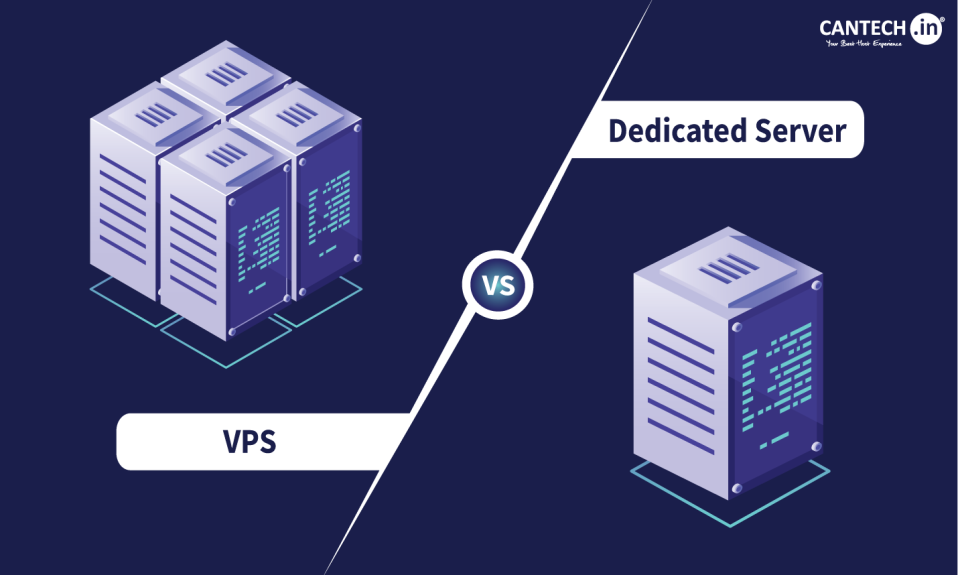
A dedicated server, when compared to a shared hosting/VPS server, offers full ownership of the machine. Shared hosting implies that the server is shared between many users, while the VPS server is a virtual machine running on a physically existing server. Thus, a dedicated server is much more expensive than the other two hosting options.
Do I need a managed or unmanaged dedicated server hosting?
If the company has highly skilled employees who maintain and manage the operation of the server, the unmanaged option would be appropriate. If there is no experienced team to monitor server activity, the managed option has to be chosen, as it is much safer and requires less technical expertise.
How much do I spend on a dedicated server?
There is no correct answer to this question as everything depends on the system requirements. It is better to avoid choosing the cheapest plan or the most expensive one. Instead, it is better to pick the one that suits the current needs and will not put a strain on the budget in a few years.
Is it worth considering the data center’s location?
Yes, it is. The closer the data center is to the user, the faster will be the communication between the client and the server. If the traffic comes mainly from one country or region, it is logical to choose a server located nearby. Otherwise, the loading speed will decrease significantly, which will result in a negative user experience and poor SEO.