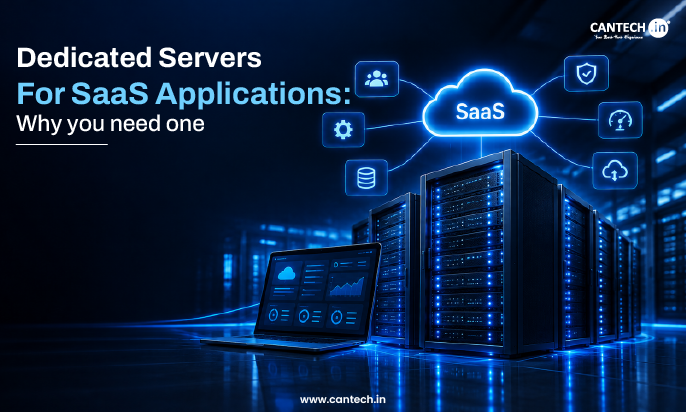
Why Do SaaS Applications Need a Dedicated Server?
The software as a service (SaaS) apps require high performance, security, and cost-effectiveness as their key features which are difficult to maintain when using a shared hosting plan. Therefore, it is essential to choose a dedicated server to ensure the reliability of the online platform and guarantee its stable functioning.
Introduction
Every SaaS company grows to the point when the hosting solution that served them until a certain point stops being relevant. The login screen starts to load slower during specific hours of the day. One major client asks about the security questionnaire related to their data. The cloud bill increases by an unexplainable percentage for the finance department. These and many other factors usually point to the fact that it is time to move from shared infrastructure to a dedicated server. Find out what these hosting solutions are, why they are right for SaaS products, and how to identify the need for one.
What is a Dedicated Server for SaaS?
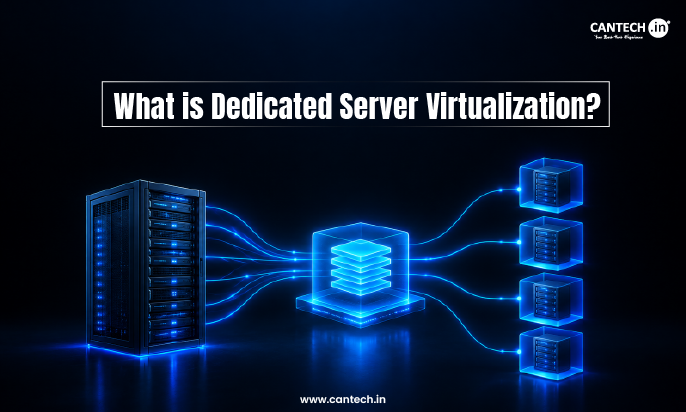
For a SaaS company, a dedicated server is a physical machine that hosts one’s application, database, and related services. Unlike traditional cloud hosting, the term includes no multi-tenancy: one is the sole user of the server’s processing power, memory, and bandwidth. One does not share these resources with other instances or virtual machines that may execute on the same hardware.
This exclusivity is what dedicates the server hosting to the needs of a SaaS company. The software instance one runs on a dedicated server is the sole user of its processing power, memory, and bandwidth. As such, there is no interference from other users with potentially divergent requirements. Furthermore, one has full administrative control and can configure one’s software environment to one’s specific requirements, with server management services available when ongoing infrastructure administration is required. Database and caching software, firewalls, and other security measures, or the particular programming language one wishes to use for one’s SaaS application’s back-end development, can all be chosen with these requirements in mind.
Why Dedicated Server Matter for SaaS?
SaaS products have to deal with a particular set of challenges that make the distinction especially important.
Performance is more consistent
SaaS usage is typically spiky in nature, be it a product launch, onboarding enterprise clients, or the usual morning rush at the start of the day, and another tenant’s traffic spikes on a shared server could lead to performance issues unrelated to your own code base. With a dedicated server, your application will always have the entirety of the machine’s resource available to it, based on your usage.
Security and compliance are easier to prove
Many SaaS products tend to deal with HIPAA, SOC 2, or other data security-related compliance, and enterprise buyers are also likely to push for extensive security questionnaires before signing any contracts. Full isolation and control of a machine offers far greater flexibility when it comes to answering these questions directly and with confidence.
Costs are more predictable
While a usage-based cloud pricing model is far friendlier to a small product’s growth, it also becomes one of the hardest expenses to predict as the traffic grows. Dedicated servers are usually billed per fixed amount of time, and thus have far simpler math when it comes to budgeting and profit planning than any variable cloud costs.
The stack can be optimized
If a particular database tuning, kernel adjustments, or an optimization of a caching layer is needed for your application to reach its full potential, a dedicated server will offer far greater flexibility in achieving it than a generic set of tools provided by a cloud provider.
Uptime is more consistent
Unlike a user-facing application, downtime for a SaaS product is not a rare inconvenience for a single user, but a disruption to every customer that has a login session open at the time of an incident. Reputable dedicated hosting providers also tend to provide much better SLAs at the infrastructure level, including power, cooling, and networking redundancy at the data center level, and no other tenant’s issues taking your application offline.
What Dedicated Server Hosting Actually Means?
While “dedicated server” refers to the hardware, “dedicated server hosting” is the provisioning method: instead of purchasing servers for your own data center, you lease space at a professional data center from a hosting provider, who will give you access to a physical box in a secure location.
The offering may include:
- No capex investment in hardware: you pay a monthly/annual bill for the server, not a large sum up-front.
- Optional managed service: the provider can handle OS patching, backups, and 24/7.
- Production-grade infrastructure: the hosting provider usually has multiple redundant servers to ensure maximum performance and reliability.
- Rapid provisioning: new dedicated servers can be created and deployed within hours, as compared to weeks when purchasing hardware.
- Intrinsic security: many providers offer denial of service (DDoS) mitigation and monitoring as part of their service.
A fully managed plan means less work for your system administrators, so they can focus on developing products for the company rather than maintaining servers.
When is the Right time to choose Dedicated Server for SaaS?
Dedicated servers are not usually the best way to start for a SaaS company. The early projects with small fragmented traffic need the freedom of the cloud until the product finds its product-market fit.
The signs you’ve outgrown cloud infrastructure are consistent significant traffic increases, compliance requirements or data sensitivity, infrastructure requirements became stable enough to move towards predictable, long-term commitment, and cloud costs started to grow exponentially faster than your linear projections. Take stock of your current infrastructure and projected growth trajectories to see if the balance of these signs applies to your use case. Pick a provider that offers the most flexibility in terms of scale and configuration to match your specific needs, not just their biggest size that fits everyone.
If you’re still unsure whether your SaaS application is ready for dedicated infrastructure, read our guide on Do I Need a Dedicated Server to evaluate the key factors before making the switch.
Conclusion
The infrastructure choices you make in the early days compound. They dictate how fast your product will feel, how fast you can get past a security review, how confidently you can set a price point on your service, how much control your engineers will feel they have over the system under stress.
For growing SaaS companies that have passed the very early phases of their growth cycle, getting into a dedicated server represents a substantial leap in performance, security, and predictability of costs in a way no shared or fully elastic infrastructures can match.
Cantech provides fully managed dedicated servers for SaaS applications. Our technical experts offer reliable and secure infrastructure hosting solutions to help you optimize performance, reduce costs, and ensure maximum security. Contact us today to find the best dedicated server for your business needs.
FAQs
Is a dedicated server too much for a small SaaS start-up?
For now, most likely, you will do better on a cloud or VPS at least until you have a clear picture of how many users you will have and what your traffic will be like. A dedicated server is usually appropriate when you have a steady traffic flow and a good idea about your audience’s size and needs.
Can I scale with a dedicated server?
Yes, but the scaling method will be different for dedicated hosting than for cloud options. The dedicated server will need to be upgraded – either by adding resources to the existing server or using a cluster (several servers). Some SaaS hosting providers also use a hybrid system, meaning that they host the application on dedicated servers but use cloud storage for images and other media.
Can I get SOC 2 or HIPAA compliance with a dedicated server?
Compliance isn’t a feature of any particular technology, including dedicated servers. Instead, you will have to configure your server in a way that meets the specific requirements. The same applies to any other compliance framework, such as HIPAA or ISO 27001.
Is there a difference between a dedicated server and a dedicated cloud instance?
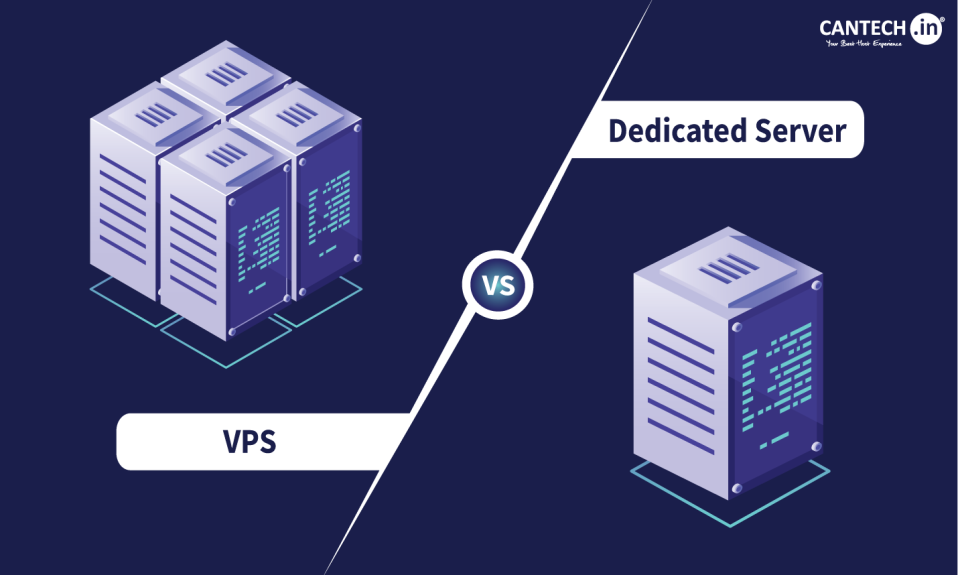
Yes. A dedicated server is a physical machine, whereas a dedicated instance is a virtual server. It is also significantly more difficult to manage and customize for non-experts. While the physical server is hosted exclusively by you, the “cloud” option only means that it is not shared with other customers by the hosting provider.
How much does a dedicated server for SaaS cost?
It depends on your needs in terms of RAM, CPU, and storage, and whether you want a single server or a cluster. There is also a big difference between self-hosted and managed solutions. With that said, most dedicated server hosting plans now have a pay-per-use structure, meaning that you will only pay for the resources you utilize.
Do I need to manage the server myself?
No, if you choose the right plan. Most providers offer a managed server option, meaning that all maintenance and troubleshooting will be handled by the company. This way, you can avoid dealing with the technical aspects of server maintenance and focus on your application.