Managed cloud hosting is a service where a third-party provider handles all the technical aspects of your cloud infrastructure, including setup, monitoring, security, updates, backups, and 24/7 support. Unlike standard cloud hosting where you manage everything yourself, managed cloud hosting lets you focus entirely on running your business while experts take care of the server behind the scenes. It is ideal for businesses that need reliable, scalable cloud performance without an in-house IT team.
What is Managed Cloud Hosting?
A web hosting provider or third-party server management company manages, monitors, and controls the cloud platform for basic to advanced technical aspects of your website or application’s cloud hosting. To add further to the definition of managed cloud hosting, the provider will take care of every cloud hosting technical specification from hardware, software, network resources, storage, etc. Thus, businesses need not worry about anything related to the complex cloud infrastructure and can focus on their essential business operations.
So, what is a managed cloud service?
It includes the automated maintenance of routine tasks like updates and patches. Also, it ensures the best security measures including firewalls, intrusion detection, and data encryption. The 24/7 technical support resolves any issues quickly for high uptime, accessibility, and overall optimal performance. Thus, it ensures your website or app is always available and up-to-date. Further, the benefit of managed cloud hosting is that it can quickly adapt and scale resources according to business needs. It would involve a lot of costs of setting up and managing the infrastructure. In contrast, with traditional cloud hosting, businesses need to give a lot of time, incur costs, and have advanced technical expertise to manage their cloud infrastructure independently.
For a deeper understanding, check out our guide on What is Cloud Hosting?
How Managed Cloud Services Work?
After the managed cloud hosting definition, here’s the explanation of the Management Process:
The management of the cloud infrastructure becomes streamlined with comprehensive managed cloud web hosting services as per your business needs. You need to first look for the best-managed cloud hosting provider. You can opt for the managed cloud services through a subscription model. That is, you pay for resources based on usage. Thus, it saves you from the upfront investments in hardware and allows scalability of the resources.
The managed cloud service process starts with the initial setup of cloud infrastructure. The provider handles installation and configuration. They deploy all software and hardware properly.
Next, the provider takes responsibility for ongoing maintenance and optimization of the cloud environment. It involves constant monitoring and technical support of the cloud infrastructure to track performance metrics & its health and identify potential issues. In case of performance fluctuations, it needs to be tuned to ensure speed, efficiency, and high uptime by optimizing resource allocation and preventing bottlenecks. Furthermore, the provider manages updates to software and applications to maintain security, stability, and compatibility. They develop strategies and processes for quick disaster recovery. As per your website and app demands, it facilitates easy scaling of resources. Also, they ensure that the hosting environment complies with relevant laws and regulations.
Moreover, they also manage the physical infrastructure and data centers. They keep them operational, secure, and up-to-date.
The managed cloud hosting services are adaptable and can be deployed in various environments such as:
- Public Cloud – Third-party provider’s cloud resources
- Private Cloud – Dedicated infrastructure to host services
- Hybrid Cloud – Integrating public and private cloud
Related: Public Cloud vs. Private Cloud vs. Hybrid Cloud
When to Choose Managed Cloud Hosting?
Managed cloud hosting services are right for you in several scenarios discussed below:
If you have a growing business, you can opt for scalable solutions of managed cloud hosting. It can support your website or app performance and fluctuating traffic. Also, businesses with complicated applications or websites that require extensive resources prefer managed services. They can ensure smooth performance and expert support for custom software requirements, high uptime, and availability. They can offer disaster recovery and 24/7 monitoring for the same. Also, these managed services are ideal for businesses that need to ensure robust security protocols and specialized compliance.
Moreover, you may get expert IT and cloud infrastructure and management from the service providers in the absence of your own in-house server expert team. They will offer end-to-end cloud server services and enable you to focus on your business functions.
What are the Key Benefits of Managed Cloud Hosting?
The advantages of managed cloud hosting for your business are discussed below:
Managed Support
You need not worry about the complex operational tasks managed by cloud hosting services such as automated backups, 24/7 server monitoring, and regular software updates. Thus, they can focus on core activities while service providers use their expertise for optimal cloud performance and reliability.
Resource Optimization
Managed cloud server providers optimize resources with cost-efficient pricing models and configurations as per your customized workloads. They maintain high-performance levels while managing IT expenditures. Also, it aligns resource usage based on your budgetary constraints effectively.
Scalability
Businesses’ changing website or app demands can be swiftly met with the guaranteed scalability benefit of managed cloud hosting. Thus, performance remains optimal due to this flexibility. Websites can easily handle high traffic. Also, the resources can be scaled to minimize costs when the traffic is low.
Operational Flexibility
It supports different programming languages, software stacks, and databases for operational flexibility. It can customize your infrastructure as per your business and technical requirements.
Redundancy and High Availability
The redundancy across multiple servers and locations under managed cloud hosting services ensures high site or app availability of data and services. Thus, it prevents the risk of downtime due to hardware failures or disasters.
Security Measures
Implementation of strong security measures such as data encryption, secure storage, intrusion detection systems (IDS), and compliance with regulatory standards. Managed cloud hosting solutions ensure the protection of sensitive data and applications from cyber threats offering peace of mind for businesses.
Predictability in Costs
Businesses can get predictability in IT expenditures with the structured billing models and cost-effective resource management of managed cloud hosting. They can forecast monthly expenses without unexpected increases or budget overruns.
Reduced IT Burden
Businesses get relieved from the IT burden with the outsourcing of complex infrastructure management tasks to experienced managed hosting providers. You need not worry about the server setup, configuration, maintenance, and security updates. You can free up internal IT teams to focus on core business objectives. Also, you can ensure operational efficiency, minimize downtime, and optimize resource usage with the expertise of hosting providers. Furthermore, you need not manage IT infrastructure internally with the benefit of managed cloud hosting.
To truly understand where managed solutions fit, it’s essential to compare cloud hosting vs web hosting in terms of flexibility, control, and scalability.
What are the Disadvantages of Managed Cloud Hosting?
With the various pros of managed cloud hosting, there are a few cons too. They are discussed below:
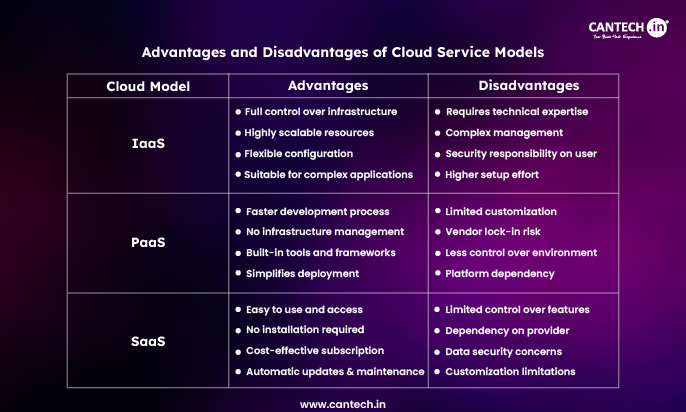
Managed services give limited control over infrastructure, as it is transferred to the managed hosting service provider. Thus, you get limited customization and implementation of tailored business requirements.
Similarly, managed cloud services are multi-tenant in nature, thus it may mean data security and privacy risks. The provider’s security protocols must ensure stringent measures to prevent the risk of data exposure or breaches.
Moreover, any service disruptions or outages at the provider’s end can impact business operations so you need to ensure they offer robust service level agreements (SLAs) and support services for optimized performance and minimized downtime.
Also, businesses need to ensure that the providers balance cost savings with performance requirements.
Complex configuration and compatibility issues may occur while integrating managed cloud services into existing IT environments such as hybrid cloud or multi-cloud setups. Hosting providers play a crucial role in facilitating these services and offer seamless connectivity across different cloud platforms.
Related: Advantages And Disadvantages Of Cloud Computing
How to Choose the Best Managed Cloud Hosting Provider?
Managed cloud hosting can give you a lot of benefits but it also depends on the ideal managed cloud hosting providers that you need to choose as per your website or application requirements. Thus, you need to consider the below aspects while choosing one.
- Review and verify the expertise of the provider in managed cloud hosting services. Check out the other client reviews and feedback. Also, ensure that it covers every cloud infrastructure maintenance, management, and monitoring aspect for optimal performance of the server.
- They must offer high uptime (above 99.9%) and fast server response times. Also, you must get 24/7 support with continuous monitoring and management.
- They must be transparent with regard to the pricing. Check the total cost with additional service expenses. Ensure it provides value.
- Do they provide the required scalability as per your business growth and demands?
- The hosting provider must offer strong security protocols such as firewalls, data security, storage, and compliance standards.
- You need user-friendly control panels for basic monitoring and configuration from your side. Also, you need to check if they are compatible with your existing applications and offer easy integration.
Who are the Top Managed Cloud Hosting Providers?
The hosting providers listed below offer the best managed cloud hosting services to give you the best value for your investment:
- Cantech
- DreamHost
- Hostinger
- Cloudways
- Hostwinds
Why To Choose Cantech For Managed Cloud Service?
Cantech is one of the top web hosting providers in India. We also offer the best-managed cloud hosting services with 24/7 monitoring and support to ensure high uptime and optimal performance & security. Our server experts can cater to your website or app requirements. Also, our affordable subscription plans offer maximum value as per your customized and growing demands. Get tailored scripts, databases, apps, and panel features.
Conclusion
Managed cloud hosting removes the complexity of running cloud infrastructure, giving businesses of all sizes access to enterprise-level performance, security, and expert support without the overhead of managing it themselves. Whether you are a startup looking to scale or an enterprise with complex workloads, the right managed cloud provider ensures your website or application stays fast, secure, and always available. Cantech’s managed cloud hosting plans offer 24/7 monitoring, expert support, and scalable resources designed to grow with your business from day one.
FAQs
Why should I Choose Managed Cloud Hosting?
Cloud hosting managed ensures superior performance, fast loading speeds, and scalability. It offers advanced performance with load balancing and efficient data distribution to prevent lag and downtime. If you want a cost-effective cloud infrastructure for your hosting requirements in the absence of your in-house technical team, managed cloud hosting is the best option.
Does Managed Cloud Hosting offer Data Security?
It offers advanced security measures, automatic backups, and disaster recovery. Many web hosting providers offer free SSL certificates. They also provide services to implement firewalls and malware scanners to protect against cyber threats.
Does Managed Cloud Hosting ensure optimal performance?
An ideal managed cloud hosting provider would include 24/7 monitoring and support to ensure that your website or application runs at optimal performance. It helps to withstand high traffic and extensive managed cloud storage requirements. Also, it provides an auto-scaling feature to adjust sudden traffic surges for the prevention of lag or downtime. Thus, your website or app would remain operational during high-traffic events.
What is Managed Cloud Computing?
Managed cloud computing is a service that offers cloud computing with management and 24/7 support. Cloud computing services allow users to access and store data and applications over the internet instead of on local servers.
Managed cloud computing means that a third-party service provider takes care of all the technical aspects like setup, infrastructure, security, and maintenance of cloud services for the user. This approach helps users focus on their core business activities while experts handle the technical details.
How to Choose Between Managed Hosting vs Cloud?
Managed hosting vs cloud choice depends on specific business needs.
Managed hosting includes managed services for specified web hosting types as per your business needs such as VPS, dedicated server, cloud hosting, etc. It includes comprehensive management services like setup, maintenance, security, troubleshooting, and more. Thus, if the businesses do not have in-house technical expertise or would like to focus on other important business operations, they can opt for managed hosting.
Cloud hosting offers flexible and scalable virtual server resources that allow businesses to adjust resources as needed. This option is suitable for businesses with fluctuating workloads.
You should assess your business needs, budget, and technical expertise before making a decision.