What Are the Advantages and Disadvantages of Cloud Computing?
Advantages of Cloud Computing
- Lower upfront infrastructure costs
- Easy scalability based on demand
- Faster deployment and provisioning
- Remote accessibility from anywhere
- Built-in backup and disaster recovery options
- Reduced IT maintenance requirements
Disadvantages of Cloud Computing
- Ongoing monthly or usage-based costs
- Dependence on internet connectivity
- Potential vendor lock-in
- Data privacy and compliance concerns
- Limited control compared to on-premises infrastructure
- Service outages can affect availability
New digital times and strong competition demand that businesses keep up with new technology while managing costs and staying efficient. Traditional IT systems often cannot keep up and thus cannot support businesses to grow and innovate. However, cloud computing offers a powerful solution to these challenges. It provides cost-effective and scalable resources to help businesses succeed in the competition. However, you need to understand how to use it correctly. This blog discusses the history, meaning, types, working, advantages, pros and cons of cloud computing to help you get the foundation and clarity on the same. Also, know how Cantech can help you stay ahead with the benefits of cloud computing solutions.
What is Cloud Computing?
Cloud computing means to deliver computing resources such as hardware, storage, databases, networking, and software over the internet. Businesses and individuals could access and manage data and applications without maintaining a physical infrastructure. These are the primary uses of cloud computing. The businesses need not rely on in-house servers. Also, cloud infrastructure allows companies to access resources and applications from anywhere because of the internet connection.
Furthermore, hosting providers or third-party providers maintain the cloud-based services provided by them. That is, businesses need not invest in any upfront infrastructure setup and management costs. Also, they can instantly scale or adjust the computing and storage resources. Hence, one of the key advantages of cloud computing is its scalability. Businesses only pay for the usage. This flexibility empowers enterprises to adapt quickly to market changes and optimize their operations effectively. Also, they can scale operations efficiently without the burden of owning and maintaining physical data centers and servers. That is one of the main reasons why we use cloud computing.
All in all, the importance of cloud computing is immense in reducing costs and increasing flexibility for businesses to adapt quickly to market changes. Also, they can scale operations efficiently.
Related: What is Cloud Hosting?
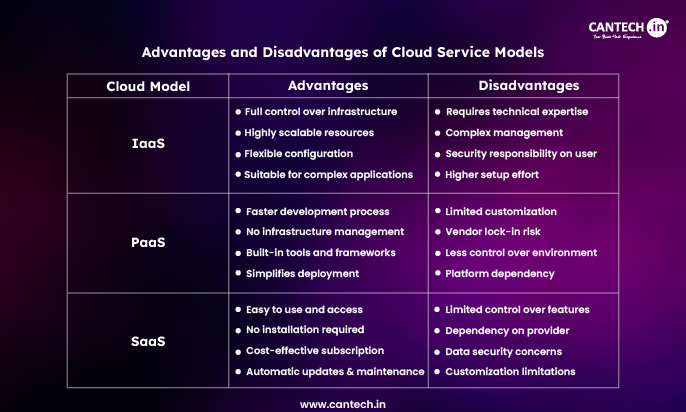
Advantages and Disadvantages of Cloud Computing
Organizations get ample pros and cons to cloud computing. The benefits of cloud computing can help them keep up with the modern digital times with cost-effective and scalable resources. Whereas, the limitations of cloud computing exist but are solvable with the right service providers. Let us now get into the advantages and disadvantages of cloud computing to help your business succeed.
Advantages of Cloud Computing
Read on list the advantages of cloud computing:
1. Cost Savings
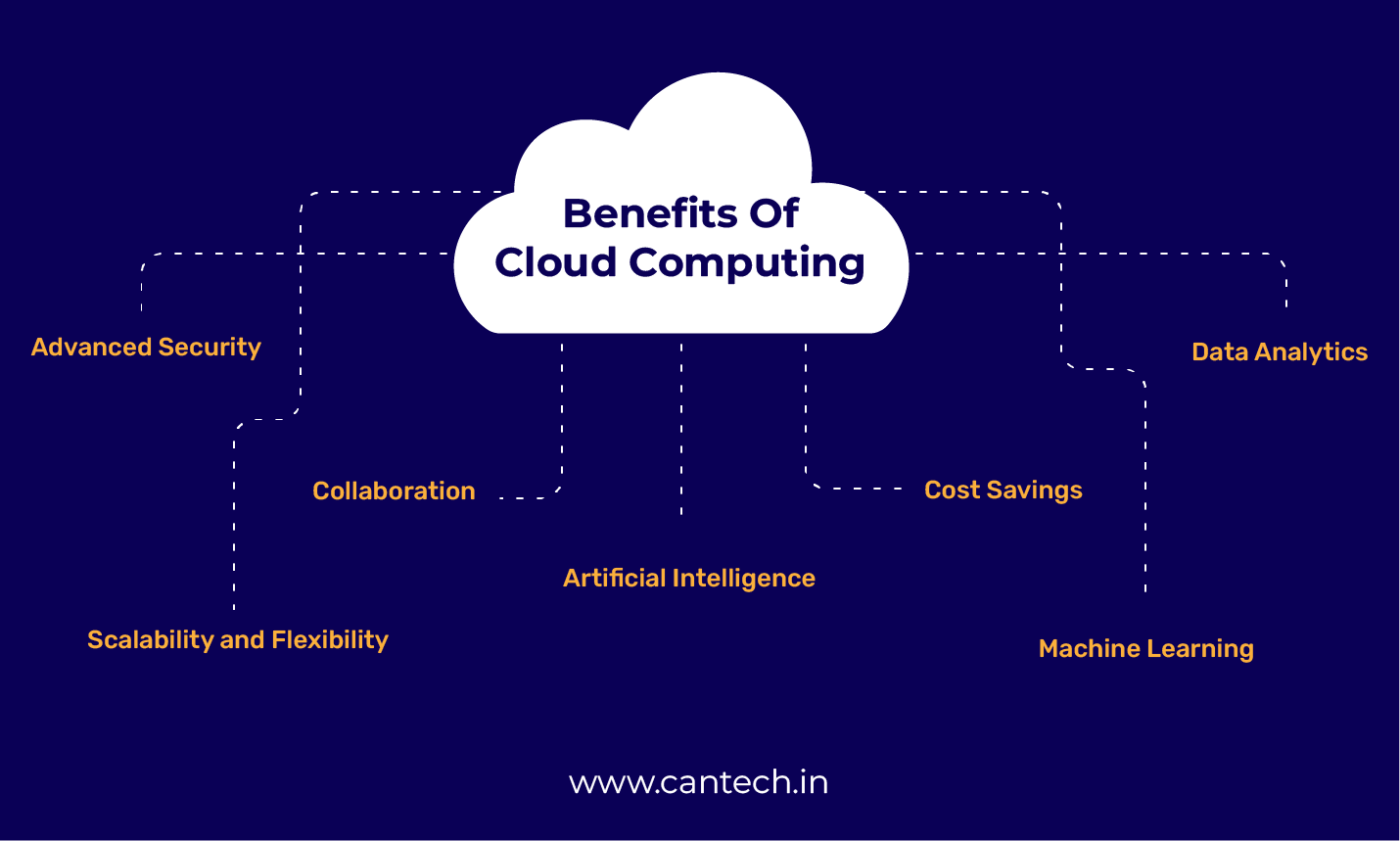
Cloud computing works on a pay-as-you-go model i.e. to pay only for the used resources. Also, you do not put upfront investments in physical infrastructure – the costs for hard drives, servers, and other essential things.
So, ‘why cloud computing?’. Well, it is more cost-effective compared to buying and maintaining in-house setup and management. With a reliable cloud computing partner, they can pay subscriptions for their required resources cost-effectively.
2. Scalability and Flexibility
Among the primary benefits of cloud computing is scalability. Businesses can scale their IT resources instantly as per their demands. This flexibility helps with the required growth, downturns, or unexpected disruptions. Businesses can increase or decrease their computing capacity quickly and efficiently.
They need not spend on developing the infrastructure to support their high load levels. They also need not waste resources that remain unused. They can adopt new projects or eliminate them in no time. Also, they can test new ones without any limitations of hardware or processes to get resources.
3. Collaboration
Cloud storage offers smooth collaboration due to the access to data and applications from anywhere with an internet connection. This is among the top advantages of cloud services.
Mobility can make remote work possible and improve team productivity. Employees can access critical applications and data from any device. Businesses can make their workflows efficient and also improve decision-making with real-time data and resource availability to all stakeholders.
4. Advanced Security
Cloud providers invest heavily in security measures. They have security experts and advanced solutions. Also, they have the capabilities for robust data protection, encryption, and compliance with industry standards. Thus, they can mitigate risks such as data breaches and protection of sensitive information. It also includes industry-standard security, firewalls, centralized management, and 24/7 network observing and monitoring. It is difficult to maintain such IT security in-house. Moreover, it has advanced backup and disaster recovery to offer with the cloud infrastructure; also, giving protection in the case of hardware malfunction, user error, or any other malicious threats.
5. Other Modern Technologies
One of the essential benefits of using cloud computing is that its platforms facilitate the implementation of cutting-edge technologies like Artificial Intelligence (AI), Machine Learning (ML), and data analytics. Businesses can use these technologies to gain insights, automate processes, and innovate their products and services. Thus, they get a competitive advantage. Cloud computing also offers predictive analytics.
Disadvantages of Cloud Computing
The drawbacks of cloud computing are important to discuss so that businesses can consider them while switching to it. They must discuss the below-given disadvantages with their service provider to resolve the same for their business purpose.
1. Dependency on Internet Connectivity
One of the primary disadvantages of cloud computing is that it relies heavily on internet connectivity. A poor or unstable connection or service outages can cause hindrance to access to data and applications. Also, cloud service providers’ downtime can occur because of unexpected technical issues or slower performance. Thus, it will impact business operations, productivity, and efficiency.
Businesses must implement contingency plans and multi-availability zones for high uptime and rapid disaster recovery to avoid any risks from internet outages or disruptions. They must check the Service Level Agreement (SLA) from the service provider, that is if it guarantees 99.9% uptime.
2. Security Concerns
As per Statista’s Market Insights, the global cybercrime cost is forecasted to rise from $9.22 trillion (2024) to $13.82 trillion by 2028 i.e. in the coming four years. Cloud providers offer robust security measures but the companies have to manage user access, data encryption, and compliance with regulatory requirements. Security must be at all levels of the deployment. The shared responsibility model needs to be clear so that data protection is ensured and security risks related to cloud deployment are avoided.
3. Vendor Lock-in
Businesses may struggle if they decide to switch cloud providers due to proprietary technologies or data migration complexities. With open cloud platforms and interoperable solutions, they can bring down the risks of vendor lock-in and also enhance flexibility.
4. Integration Complexity
It is complex to integrate existing systems with cloud services. Planning is important to make sure that they are compatible and would offer smooth operations. Businesses must take into consideration the cloud’s integration capabilities and partner with the right providers that offer robust integration tools and support.
5. Cost Management
The costs of cloud computing change based on the usage of its resources and cloud infrastructure. It is possible that businesses have to bear unexpected expenses if they do not manage them effectively. Thus, cost monitoring and optimization strategies would control expenses. They are essential to maximize the return on investment (ROI) from cloud investments.
6. Less control
Businesses have less control over the cloud infrastructure because it is owned, managed, and monitored by the cloud service provider. Thus, you need to check and choose the right providers for your services who are flexible and offer transparent control, insights, and offerings.
With these advantages and disadvantages of cloud computing, businesses can understand how powerful and flexible cloud computing is. They can drive innovation, improve agility, and achieve sustainable growth in this competitive business environment.
Pros and Cons of Cloud Computing: At a Glance
| Advantages of Cloud Computing | Disadvantages of Cloud Computing |
|---|---|
| Lower upfront infrastructure costs | Ongoing monthly or usage-based costs |
| Easily scales resources up or down | Dependence on internet connectivity |
| Faster deployment of applications and services | Potential vendor lock-in |
| Access data and applications from anywhere | Data privacy and compliance concerns |
| Built-in backup and disaster recovery options | Limited control over underlying infrastructure |
| Reduces hardware maintenance and IT workload | Service outages can impact operations |
| Supports remote work and collaboration | Performance may vary depending on provider and network conditions |
Advantages and Disadvantages of Cloud Computing for Small Businesses
Advantages
- No hardware investment
- Faster setup
- Lower IT staffing requirements
Disadvantages
- Recurring monthly costs
- Internet dependency
- Limited customization
Why Switch to Cloud Computing with Cantech?
Do the benefits of cloud computing make you consider a switch to cloud? You must choose Cantech for the same for the below key reasons:
- Instant deployment of applications on a high-performance and scalable Cloud Platform-as-a-Service. Automated deployment of Java, PHP, Ruby, Node.js, Go, .NET, Python, and Docker applications using GIT, SVN, integrated plugins like Maven, Eclipse, etc.
- Cantech Cloud scales application containers automatically for efficient resource use as per the current load. You pay only for the resources you use. Thus, it removes the need for resource reservation and minimizes wastage.
- Cantech’s Platform-as-a-Service (PaaS) supports multiple runtimes and allows the installation of various software stacks with just a few clicks.
- Cantech guarantees a 99.99% uptime SLA and provides 24/7/365 world-class technical support.
- Application deployment on Cantech’s fully redundant high-performance cloud platform reduces costs by up to 80%.
- Increase RAM and CPU resources instantly as your traffic grows without rebooting or moving your hosting.
- Our hardware, Varnish caching, and a globally distributed CDN make your site’s load times up to 2x faster.
- Keep track of resource usage and performance with our user-friendly dashboard to optimise resources as per the need of cloud computing.
Conclusion
The advantages and disadvantages of cloud computing in this blog make it clear that migrating to the cloud is important in these modern times. It offers insights into its importance and a few drawbacks that need to be taken into consideration. Cloud computing offers great flexibility, reliability, performance, and efficiency. Also, it reduces IT costs. A hybrid cloud approach can extend existing infrastructure capabilities and give an optimal environment for overall business operations. Cantech Cloud Computing offers the benefits of a secure, scalable, and cost-effective platform for your tailored business needs. Get in touch and know more about our cloud benefits.
FAQs
What are the Advantages and Disadvantages of Cloud Computing?
Below are some cloud computing pros and cons:
Advantages of Cloud Computing
- Cost efficiency (no upfront hardware investment)
- Scalability on demand
- Remote access from anywhere
- Automatic updates and maintenance
- Faster deployment and innovation
- Backup and disaster recovery support
- Flexible pay-as-you-go pricing
Disadvantages of Cloud Computing
- Internet dependency
- Risk of downtime or service outages
- Data security and privacy concerns
- Vendor lock-in challenges
- Limited infrastructure control
- Unpredictable long-term costs
- Compliance and regulatory complexities
What are the Pros of Cloud Computing?
The business benefits of cloud computing include cost savings, scalability, flexibility, implementation of modern technologies, robust security, and easy collaboration.
Why use Cloud Computing?
The answer to why use cloud services or computing is that they offer great convenience. You can easily access data and applications from anywhere 24/7. Also, it can scale instantly as per your usage.
What are the 10 Disadvantages of Cloud Computing?
- Dependency on Internet Connectivity
- Security Concerns
- Vendor Lock-in
- Integration Complexity
- Cost Management
- Less control
- Unpredictable Costs
- Performance Variability
- Data Transfer & Bandwidth Costs
- Migration Complexity
What is the primary benefit of using Cloud Computing Services?
The primary benefit of using cloud computing services is its flexibility. You can scale resources up or down easily. Moreover, they also offer great convenience and cost efficiency.