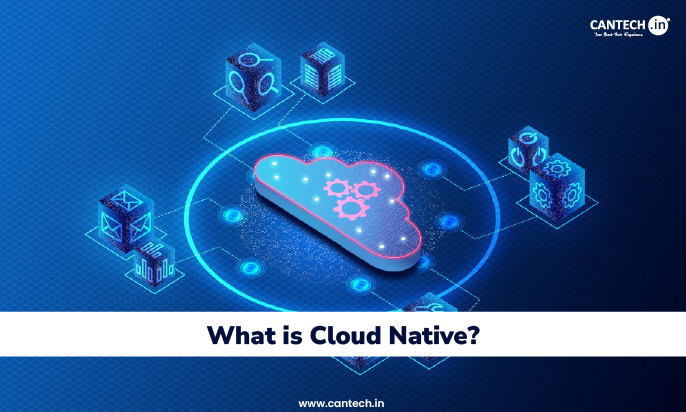
Cloud native computing is a way of designing, deploying, creating and running applications which takes full advantage of capabilities of a cloud platform. When conventional software called monolithic software can be run in either a data center or in a public cloud but cannot leverage the scalability and cost efficiencies of a cloud environment. That is where cloud native comes into picture. Let us explore the concept of cloud native and go into specifics of cloud native.
Cloud Native Definition
Cloud native means creating applications to utilize cloud scalability, elasticity and resilience using containers, microservices and automation which enables loosely coupled, portable systems across private, public, hybrid and multicloud environments globally.
Pillars of Cloud Native
Cloud native pillars aim at faster delivery, reliability and shared ownership which are built on these foundations.
Microservices: Connected, composable services connected through APIs, which allows flexibility, independent updates and adaptation to changing business needs.
Containers and orchestration: Portable, self-contained workloads that run regularly across environments, which can be managed at scale using platforms such as Kubernetes.
DevOps: Agile teaming up between development and operations teams helps in automating the infrastructure and improving communication and release.
CI/CD: Automated pipelines for designing, testing and deploying code, facilitating frequent, reliable updates with minimum downtime.
Components of Cloud Native Development
Here are some of components of cloud native development
Containers and Containerization: Isolated packages, lightweight allows portability, security, efficient resources use and consistent execution across the environments.
Microservices Architecture: Apps are divided into independent services which allows parallel development, quick releases, fault isolation and independent scaling.
Immutable Infrastructure: Deployed resources are replaced and are not modified using infrastructure as code for repeatability, consistency and easy rollbacks.
Monitoring: Metrics, logs and traces offer full visibility on system performance and usage of resources for proactive resolution of issues.
Resilience and Self-Healing: Designed in replication, load balancing and automatic recovery capabilities to ensure low downtime, stability and user experience.
Benefits of Adopting Cloud Native Approaches
The cloud native provides organizations the potential to achieve benefits over running conventional applications. The benefits consist of.
Cost Efficiency
Cloud native architecture helps in resource allocation and utilization resulting in significant cost savings. Businesses pay only for the resources they use and automated processes reduce operational costs by lowering manual effort.
Improved Reliability and High Availability
Cloud native systems are designed for resilience to offer high availability. Load balancing, redundancy and self-healing capabilities that keep applications available even during the failures. This is important for critical operations and software updates can be deployed with low downtime.
Secure by Design
Cloud native embeds security at every layer. Containers provide isolated environments which help minimize the risk of vulnerabilities. Automatic security updates and policy enforcements that can solidify security posture and makes cloud computing ideal even for security focused use cases.
Flexibility and Scalability
Cloud native apps provide scalability to meet requirements. Containers and microservices allow granular scaling for proper resource utilization and cost-effectiveness. This flexibility enables businesses to adapt to market trends.
Agile and Faster Time to Market
The cloud native approach improves development cycles. A microservices architecture allows parallel development and enables teams to work on different services simultaneously. This results in faster releases which gives a competitive edge to your business.
Best Practices to Implement Cloud Native Solutions
Here are the best practices to implement cloud native solutions.
Focus on observability: Design services with strong logging, metrics and tracing ensures visibility and effective management.
Integrate security: Embed security into the design, build and deployment which adopts a zero-trust approach.
Optimize resources and costs: Continuously rightsize workloads to improve efficiency and control cloud operational expenses.
Standardize on containers: Package microservices using containers for consistent, portable deployments across the environments.
Automate deployment and scaling: Use CI/CD pipelines and platforms like Kubernetes to lower errors, releases and scale automatically.
Conclusion
Cloud Native is a strategic benefit that helps you improve public cloud usage and offer more value to users. Cloud native practices encourage businesses to develop, build and deploy workloads in computing environments to meet business needs at scale in a repeated manner.
FAQ’s
What is a cloud native tool?
Cloud-native apps are built to run almost anywhere which makes it easy to move them from one environment to another without making changes to the entire application. It has great security. Cloud-native applications help you minimize attack surface area and make it easier to detect and respond to attacks or new vulnerabilities.
Why use cloud native?
Cloud native applications can help solidify business strategy and value because they offer a consistent experience across private, public, and hybrid clouds. They enable your organization to take full advantage of cloud computing by running responsive and reliable scalable applications.
Examples of Cloud Native
Some of the examples of cloud native are:
- Software containers
- Software defined infrastructure
- Application Programming Interfaces
What are the Challenges of Cloud Native?
Some of the challenges of cloud native are:
- Difficulty in Cost management
- Compliance and security issues
- Cultural shift
- Complexity, Skill gaps and learning