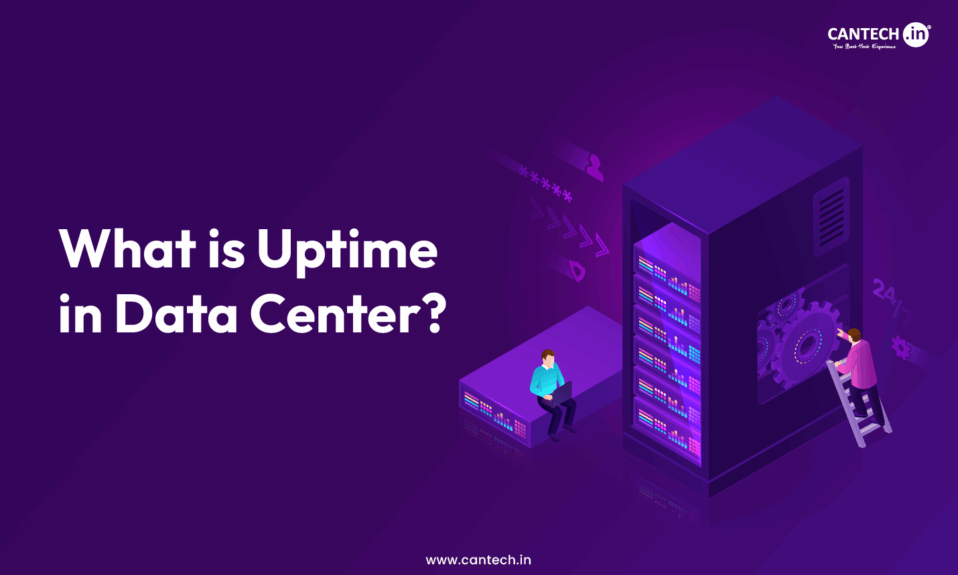
Businesses are very reliant on consistent availability of their data centers. Uptime is defined as guaranteed annual availability of data centres, which has become a crucial metric in analyzing the strength of data centre infrastructure. While many data centers flex about achieving 100% uptime, the real question lies in why should data centres be certified for 100% uptime, especially when not all the uptime claims are independently certified.
This blog explores what is uptime in a data center and the importance of uptime institution certification.
What Does Uptime in a Data Center Mean?
Uptime is a measure of how often a specific resource is available during all the minutes or seconds in a particular year. It is an important factor for businesses that depend on uninterrupted data centre services. The industry often measures uptime in nines, which indicates the ratio between the number of minutes a system is available and the total minutes in a year.
Data Center Uptime Tiers
Here’s a breakdown of uptime categories and maximum annual downtime that are associated with data centre services.
- Tier 1 – Availability of 99.67% uptime per year, that allows a maximum of 28.8 hours of downtime.
- Tier 2 – Availability of 99.74% uptime per year, that allows a maximum of 22 hours of downtime.
- Tier 3 – Availability of 99.98% uptime per year, that allows a maximum of 1.6 hours of downtime.
- Tier 4 – Availability of 99.95% uptime per year, that allows a maximum of 26.3 hours of downtime.
Why is Uptime Important for your Organization
Here is why uptime is important for the organization.
Manual Error
Employees serve an important role in keeping data centers running, which means mistakes are inevitable. Routine tasks such as maintenance, monitoring, repairs and testing can go wrong when execution fails. Without high-end tools that capture issues early, minor oversights can trigger downtime. Rapid detection allows teams to act faster and restore the uptime.
Natural Disasters
Severe weather events such as earthquakes, floods and hurricanes cause significant risks to data center stability. A single storm triggered power outage can stop operations if backups and recovery plans are not ready. That is why businesses depend on detailed disaster recovery strategies to lower damage and ensure faster restoration during natural disruptions.
System Failures
When monitoring tools are missing, problems most often go unnoticed until they intensify further. Everything from overloaded power cabinets to 3 phase imbalances, extreme temperature spikes, humidity fluctuations or hidden water leaks can damage operations.
How to Choose an Ideal Data Center Tier
Choosing a data center tier includes strategic decisions that combine operational requirements and key insights from industry.
Tier 1 – Ideal for small organizations and startups, but it is essential to gauge alignment with industry standards and customer expectations in terms of reliability.
Tier 2 – Ideal for small, medium organizations that are looking for cost-effective reliability which reflects a balance between affordability and operational efficiency according to industry trends.
Tier 3 – Designed for large organizations managing extensive data sets, especially those that focus on improved reliability for sensitive or critical data based on insights.
Tier 4 – Suitable for enterprises with mission critical servers and strong business demands that meet industry specific requirements.
Key Factors to Consider when Determining Tier
Some of the key factors to consider when determining tier are
Business Requirements
Analyze the importance of your business operations. For application and services, where downtime equates to financial losses, opting for high tier with improved redundancy and reliability becomes imperative.
Impact in Revenue
Understand the consequences of downtime. Consider direct and indirect costs related to interruption to your critical infrastructure. Whereas, high tier centers may involve great initial costs, they can mitigate risks of revenue loss during unplanned events.
Operational Resilience
Analyze the resilience requirement of an organization. High tier data centres offer increased redundancy in cooling, power and connectivity which lowers the probability of service interruptions. This is important for businesses that require dependable and continuous operations.
Cost – Benefit Analysis
Perform a cost benefit analysis to make a balance between the early investment in a high tier data center and potential revenue loss during downtime. Achieving a right balance ensures optimum resources utilization based on business financial capacity.
Service Level Agreements
Review the SLAs offered by data centre providers. Ensure that the uptime commitments align with business requirements. Well-defined and clear SLAs provide a contract basis for the expected level of service.
Uptime data center certification
When a data center claims to offer 100% uptime, it is imperative to validate the certificate by the Uptime Institution. This certification ensures that the data center meets strict standards for reliability and has essential infrastructure in place to offer uninterrupted services.
What is Uptime Data Center Certification?
Uptime Institute’s Tier Standards are the globally recognized benchmark and standard for data center availability and performance. It allows for various performance levels that consider both the built environment, as well as the approach and performance of the operations team.
Why is Uptime Institute Certification Important?
Here is why uptime certification matters
- Choosing the right data center tier involves strategic decision making combined with industry specific considerations that emphasizes the important role of industry insights in the process. Industry knowledge offers guidance, to ensure proper alignment with operational requirements and standards that are prevalent in a specific sector.
- Achieving 100% uptime is important especially when it is seen through the lens of industry expectations. Different sectors have varied tolerance levels for downtime and insights from the industry helps businesses gauge the required level of reliability.
- Uptime certification plays a critical role in the data center selection process. The Institutions certificate serves a benchmark and standard, which guarantees that a data centre meets all the strict industry standards for performance and reliability.
- Tier IV is the high level of independent certification that is recognized globally, offers a strict framework to evaluate and certify resilience of digital infrastructure. This certification level covers infrastructure design and operational sustainability. Tier IV ensures your significant capital investment matches with uptime objectives.
Conclusion
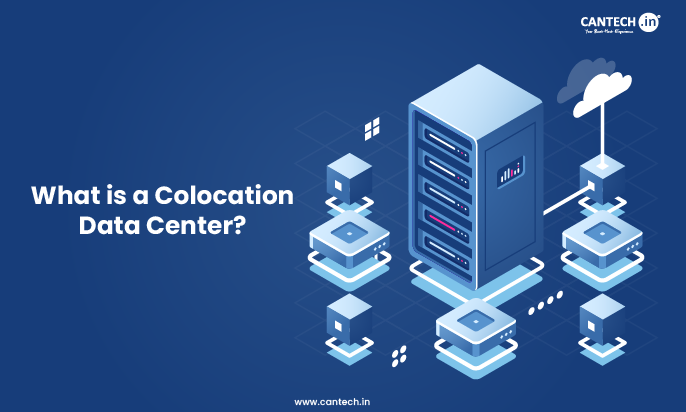
Data center uptime is the lifeline of digital operations. If you are looking to manage your own facility or rely on a colocation or a cloud provider, thoroughly understanding and considering the factors about opting tiers helps you make informed decisions about reliability, risk, and return on investment on uptime and certification.
FAQ’s
What is a Good Uptime?
The good uptime is considered tier 4, which is availability of 99.995%. Ensure that the uptime does not fall below tier 1, an availability of 99.671%.
What is the difference between 99.9 and 99.99 uptime?
99.9% uptime equals a period of downtime of 1 minute and 26 seconds per day. 99.99% uptime equals a period of downtime of less than 9 seconds per day. 99.999% uptime equals a period of downtime of less than 1 second per day.
What is the impact of low uptime?
Uptime is crucial for maintaining a trustworthy, revenue focused website. Ensuring proactive monitoring tools in place can help in mitigating downtime risks which keeps your site running smoothly.
Why is uptime essential?
Big outages can halt business operations, which leads to unsatisfied customers. This is where uptime monitoring becomes crucial to reduce potential losses. By proactively detecting downtime, businesses can prevent significant disruptions, help run business smoothly, and build reliable services.