What is a HIPAA-Compliant Dedicated Server?
A HIPAA-compliant dedicated server is an environment of a dedicated server hosted according to certain requirements aimed at ensuring the protection of electronic protected health information (ePHI). The use of the hosting environment ensures the possibility of implementing security measures, such as access controls, audit logging, encryption, secure backups, and others. Administration and physical safeguards together with policies are required to ensure compliance. A hoster should have a BAA if requested. Hosting of a dedicated server does not guarantee compliance with HIPAA.
Introduction
HIPAA compliant dedicated server refers to a dedicated server hosting facility where proper security measures have been put in place to safeguard electronic Protected Health Information (ePHI). This could be any form of information such as electronic patient record, electronic medical record, billing records, among others. Using a dedicated server means that there will be more flexibility in terms of security, access, and data storage.
Having a dedicated server does not necessarily mean you are HIPAA compliant. The whole hosting environment needs to be developed in compliance with all security standards. This involves the development of your own policies, safeguarding and Business Associate Agreements when necessary.
What is a HIPAA-Compliant Dedicated Server?
A HIPAA-compliant dedicated server refers to a physical dedicated server that has been configured to allow HIPAA support and protection of electronic protected health information (ePHI), which can include patient records, doctors’ notes, and/or medical reports. It does not refer to shared hosting. Unlike shared hosting, dedicated server hosting provides a customer with dedicated physical server resources and greater control over server configuration, access permissions, and security settings.A HIPAA-compliant dedicated server must have the proper safeguards in place to restrict access controls, encrypt data when necessary, have audit logs, etc. Hosting companies that offer HIPAA server hosting will more than likely need to sign a Business Associate Agreement (BAA) with the health care organization. HIPAA dedicated servers can be used to host healthcare workloads, but just because a server is HIPAA does not mean that it is compliant. It all depends on whether the entire environment is covered, who has what responsibilities in an agreement like a BAA, and what security practices are being implemented.
How Does a HIPAA Dedicated Server Work?
The HIPAA dedicated server is a method that uses technical controls along with the best security practices for securing healthcare information.
- Access control: Authentication through verified credentials when necessary. The staff with access to the system will login with their verified credentials and, where necessary, authenticate.
- Data protection: Encrypting data to provide security for ePHI both in transit and at rest.
- Activity monitoring: The activity of the system will be monitored using audit logs, which security personnel can use to investigate any unauthorized access attempts.
- Backup and recovery: The backup and recovery process of the system will ensure that data will be recoverable after any incident.
While server-side security measures play an important role in HIPAA compliance, applications need to be secured, all staff members need to be trained on security practices, and environmental security needs to be considered as well.
What Are the HIPAA Dedicated Server Requirements?
A HIPAA dedicated server must support the safeguards required to protect electronic protected health information (ePHI). These requirements fall into three categories:
| Safeguard | Key requirements |
| Administrative | Risk assessments, security policies, staff training, and incident response procedures. |
| Physical | Restricted data centre access, hardware protection, and secure media disposal. |
| Technical | Access controls, audit logs, data integrity, and transmission security. |
Business Associate Agreement (BAA): Most hosting providers who store/process ePHI on behalf of a Covered Entity or Business Associate will need to sign a BAA in which they assume responsibility.
HIPAA does not certify individual servers. Consider your whole environment compliant. Your hosting configuration, applications, security controls, internal policies, etc.
What Are the Benefits of a HIPAA-Compliant Dedicated Server?
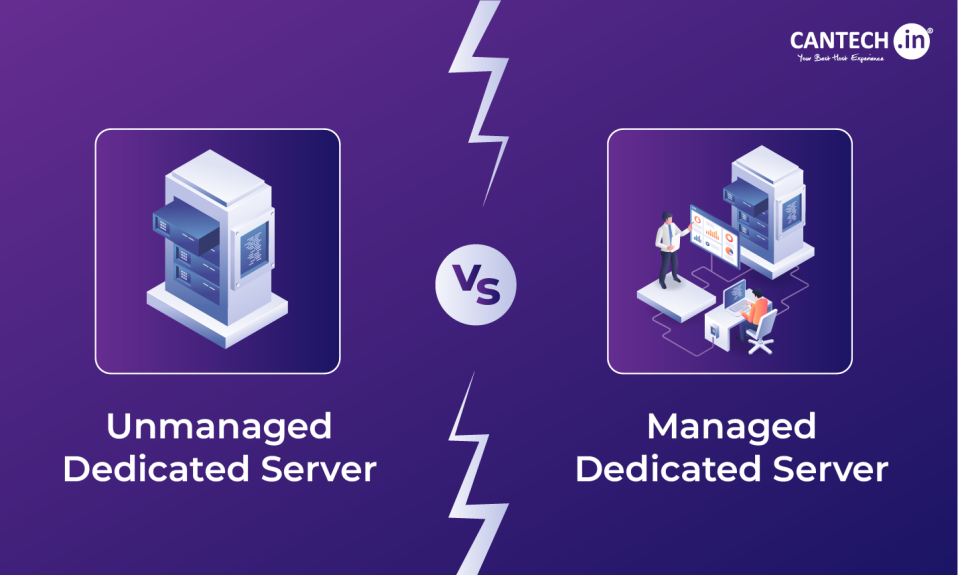
A dedicated server provides greater control over the IT infrastructure used to process protected health information (PHI), while a managed dedicated server can help with server maintenance, security updates, monitoring, and other operational tasks.
Here are several benefits of using dedicated servers under HIPAA:
- Isolated infrastructure: In case of dedicated hardware, no resources of the server are shared with any other customers of the hosting service.
- Tailored security settings: Proper firewall rules, access control, and activity monitoring can be applied to your specific application.
- Stable performance: Dedicated processor, memory, and disk capacity can provide stable functioning of the application and EHRs.
- Better planning of recovery from possible incidents: Regular backups and tested recovery plan can ensure minimal downtime in case of an incident.
- HIPAA compliance support: Proper hosting services and agreements can help with your HIPAA compliance process.
Like any technological solution, all listed benefits depend on the correct configuration and maintenance. The use of dedicated server hosting does not ensure that your organization is HIPAA compliant and secured from data breaches.
How to Maintain a HIPAA-Compliant Dedicated Server?
Take Care of Your Dedicated HIPAA-Compliant Server. Check for the security of your server and keep track of your attempts to make ePHI secure.
- Apply Security Patches: Apply patches to your operating system, applications, and server software.
- Manage User Permissions: Remove unused accounts and give permissions only to authorized personnel.
- Conduct Server Audits: Conduct audits of your server and check for unusual user permissions.
- Encrypt Documents: Apply encryption and secure document transfer.
- Test Backup Process: Test your backups and ability to restore data.
- Audit Vulnerabilities: Audit vulnerabilities and record any breaches.
Maintaining your HIPAA-compliant dedicated server up-to-date requires your continuous work. Maintaining helps your security measures stay up-to-date as you install new software, build out your IT infrastructure, and the environment changes.
How to Choose the Best HIPAA-Compliant Dedicated Server?
Choosing an appropriate hosting firm does not solely rely on considering the capabilities of the server but also depends on other factors such as the following:
Business Associate Agreement (BAA): Ensure that the hosting firm is willing to sign a BAA when the situation calls for it.
Security measures: Look for security measures including access control, encryption, audit logs, and security of the data center.
Server management: Know who would handle the updating and monitoring of the server.
Backup and recovery of data: Check the backup schedule, backup storage and the way data can be recovered.
Support and documentation: Check the availability of support hours, how to report incidents, service level agreement and clear responsibilities.
The ideal HIPAA dedicated server is the one which meets the requirements of your application and adheres to your organization’s security policies. It is important to consider the entire hosting package since compliance to HIPAA cannot be achieved through the hosting company alone.
Conclusion
Hosting healthcare applications is something special because they require a different approach when it comes to the infrastructure and security that other applications don’t. From securing patient records to keeping systems running 24/7. Understand the demands of your application, control of management, backup, and HIPAA compliance before setting up a server. Ensure that you understand what kind of security Cantech provides and review our Business Associate Agreement before hosting ePHI.
Want a dedicated server for healthcare applications? Check out Cantech Dedicated Server Hosting for more information.
FAQs
What makes a dedicated server HIPAA compliant?
A dedicated server should have proper administrative, physical, and technical safeguards in place to secure electronic protected health information, otherwise known as ePHI. A few other organizational policies and agreements may also need to be in place to be HIPAA-compliant.
Does HIPAA require a dedicated server for healthcare data?
No. HIPAA does not require dedicated hardware. Whether using shared hosting, cloud infrastructure, or a dedicated server can work under HIPAA, so long as the situation abides by the applicable requirements.
Can a managed dedicated server host healthcare applications?
Yes. Provided the dedicated server has the appropriate security controls, management controls, and contract terms in place, healthcare applications can be hosted on a managed dedicated server.
What security controls does a HIPAA dedicated server need?
Examples of important controls include access controls, authentication, audit controls, data integrity, encryption in transit, and physical safeguards.
How do you choose the best HIPAA dedicated server hosting provider?
Make sure they offer a required Business Associate Agreement (BAA), document their security responsibilities, and allow for monitoring, backups/recovery, and incident response.