Digital data growth has transformed the data centers in virtual multi-cloud infrastructures which makes them important for storing massive data volumes and securing systems with high-end security.
In this blog we will explore what a data center is and how it works.
What is a Data Center?
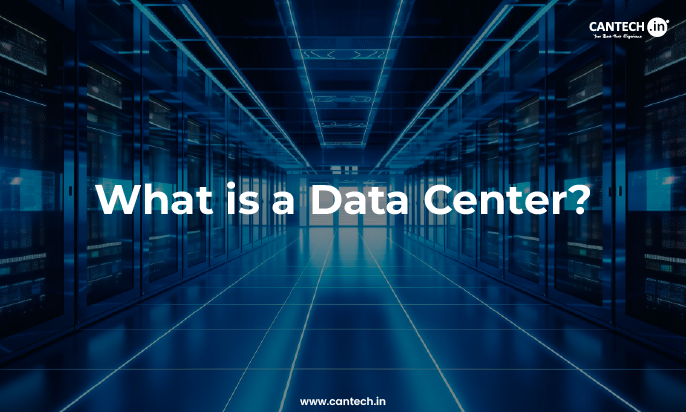
A data center is a centralized facility which houses many networked computers that work together to store, process and share data. Many major technology companies rely heavily upon data centers as a major component in offering online services. The role of and architecture of data centers have expanded more than their intended scope. Modern data centers have changed significantly shifting from local to virtualized networks that orchestrate applications and work across distributed pools of physical infrastructure.
Why Data Centers Matter for Business Operations?
Here is why data centers matter for business operations.
- They can host and manage multiple business-critical services and applications.
- Data centers support email services and secure file sharing.
- Runs CRM systems to manage customer interactions effectively.
- Facilitates ERP tools and enterprise databases.
- Manages advanced workloads which includes AI, Big data, and machine learning.
- It supports communication and collaboration platforms for real-time framework.
Components of Data Centers
The key components of Data Centers are:
Servers: Servers are primary computing devices that process and manage data.
Storage Devices: Storage devices are used to store large volumes of data.
Networking Equipment: Network equipment like routers, switches and other components that connect multiple devices within a data center and allow them to communicate with each other.
Cooling Systems: Cooling systems include air conditioning, ventilation, liquid cooling which maintain optimal temperature and humidity levels within the facility to prevent equipment failure and overheating.
Types of Data Centers
There are several types of data centers, each with their distinct features based on business requirements and goals.
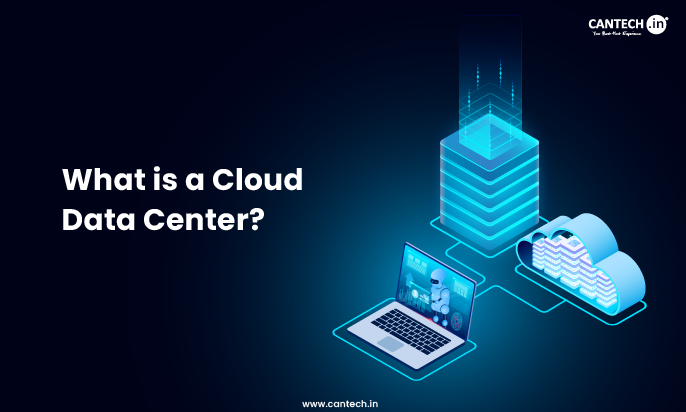
- Cloud data centers: They are operated by cloud service providers and offer virtualized computing resources and services over the internet.
- Modular data centers: Modular data centers are portable, self-containing computing environments that can be implemented in remote places with limited spaces or infrastructure.
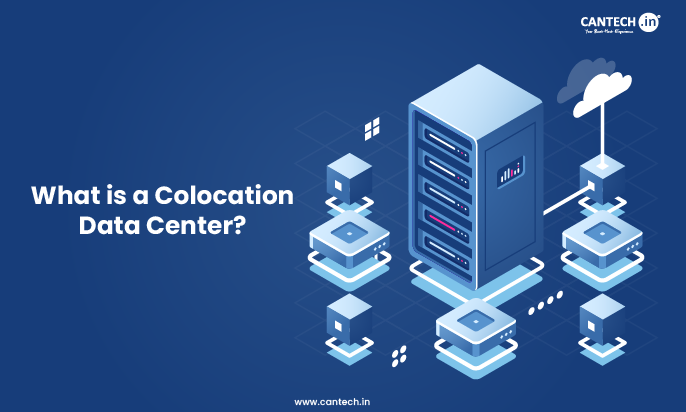
- Colocation data centers: Colocation data centers offer shared computing resources and services to several organizations which allow them to access the advantages of a data center without dedicated facilities.
- Enterprise data centers: These data centers are usually owned by a solo organization and used to support internal IT needs. It also manages the data center operations.
- Edge computing data centers: These are small facilities that are located closely near end users which enables faster and efficient access to computing services and resources.
How does Data Centers Work?
Data Centers facilities come with a wide range of advanced and emerging technologies that includes servers, storage devices and networking equipment working together to handle and distribute data across several devices and locations. These facilities are big spaces that have computer systems and related equipment for data storage, processing and management.
Conclusion
Data centers enable secure, reliable and high-performance access to applications and data.
Through effective management, advanced technologies and continuous optimization they ensure efficiency and uptime while minimizing costs and energy consumption.
FAQ’s
What are the four tiers of Data Center?
- Tier 1 data centers consist of a single path for power and cooling which offers an uptime of 99.671%.
- Tier 2 data centers offer some redundancy in power and cooling systems, which allows maintenance and upgrades with an uptime of 99.741%.
- Tier 3 data centers have double powered components and multiple paths for power and cooling, which delivers an uptime of 99.982%.
- Tier 4 data centers have all the features of the lower tiers with added redundancy and fault tolerance, which has multiple active power and cooling distribution paths, an uptime of 99.995% which can handle multiple hardware failures.
What are the benefits of data centers?
A data center supports local companies by enabling the networking, communications and applications they need to perform business. Besides this, data centers can improve employment opportunities in regions where they are located.
What are the risks of data centers?
Some common data center risks include, physical damage to the data center, its components or contents due to natural disasters, or failed systems within or outside the data center, cyber attacks, business disruption or loss of revenue due to shutdown of the data center, or a delay in start-up.